Periods of social, political, and economic instability consistently reshape how art is made, experienced, and understood. In moments marked by war, repression, pandemics, economic collapse, or rapid technological change, art rarely remains polished or detached. Instead, it responds with urgency. Across disciplines, the same traits repeatedly emerge: fragmentation, raw emotional expression, symbolic language, aesthetic extremes, and rebellion against established norms. These patterns are not incidental—they reflect how artists and audiences process uncertainty, fear, and transformation as familiar structures begin to fracture.
One of the most immediate shifts in unsettled times is fragmentation. Forms distort, narratives become nonlinear, and coherence gives way to disruption, mirroring lived experiences in which meaning feels partial or unstable. Alongside this comes urgency. Art moves faster and becomes less refined, privileging emotional truth over technical perfection. Lo-fi aesthetics, rough edges, and rapid production signal honesty rather than polish. Symbolism and allegory also rise in importance, particularly when direct speech is restricted or unsafe.
Meaning is embedded rather than declared, allowing art to communicate what cannot be openly expressed. Periods of unrest also tend toward extremes—either stark minimalism or overwhelming excess—as artists reject moderation in favor of clarity, confrontation, or refusal. Beneath all of this lies rebellion: a rejection of inherited aesthetics, institutional authority, and cultural complacency.
Fashion offers one of the clearest examples of art responding to instability because it exists at the intersection of resources, bodies, and identity. In times of crisis, clothing becomes practical and constrained. Wartime rationing historically produced simplified silhouettes, durable materials, and standardized garments, prioritizing function over ornamentation and reinforcing collective restraint. At the same time, fashion has long been a site of resistance. Punk culture transformed torn clothing, safety pins, and DIY construction into visual rebellion, turning “dressing badly” into a political act. Deconstructive designers exposed seams, linings, and imperfections, making process and incompleteness visible as reflections of psychological fracture and cultural rupture.
Others pushed fashion toward performance and spectacle, using the runway as political theater to stage trauma, myth, and critique. More recently, pandemic-era fashion embraced masks, loungewear, and hybrid digital–physical identities, reflecting blurred boundaries between public and private life. In moments of instability, clothing shifts from being about beauty to becoming a tool for survival, resistance, and signaling belonging.
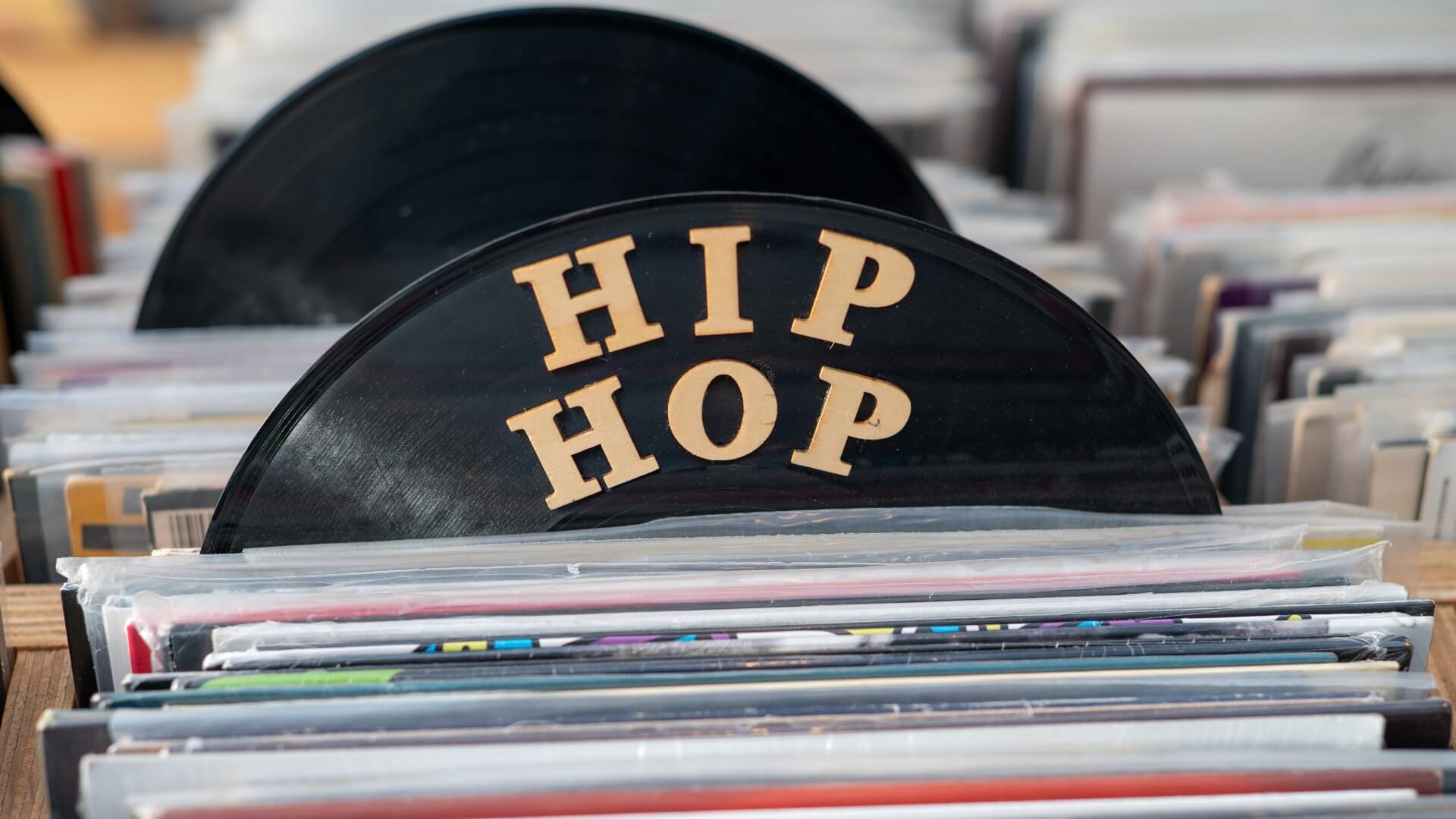
Music responds just as forcefully, often because of its accessibility and speed. Under pressure, sound becomes a release valve. Punk and noise rejected refinement in favor of speed, distortion, and aggression, channeling collective anger into volume and attitude. Hip hop emerged from systemic neglect and inequality, transforming lived experience into testimony when institutions failed to represent reality. Industrial and electronic music absorbed anxieties around mechanization, surveillance, and control through repetition and mechanical textures.
Grunge and alternative sounds captured post–Cold War disillusionment, replacing idealism with skepticism and emotional rawness. Across eras, protest music—from folk to rap and drill—has functioned as a living archive of dissent. When society fractures, music tends to grow louder, simpler, angrier, or more brutally honest, offering both catharsis and solidarity.
Film, television, and entertainment often oscillate between confrontation and escape during unstable periods. Some works lean into distortion and shadow, using visual style to externalize psychological trauma. Others explore moral ambiguity, reflecting eroded trust in institutions and blurred ethical boundaries. Dystopian and apocalyptic narratives project present anxieties into imagined futures, while survival stories examine loss, resilience, and social breakdown. At the same time, escapist genres surge when reality feels overwhelming.
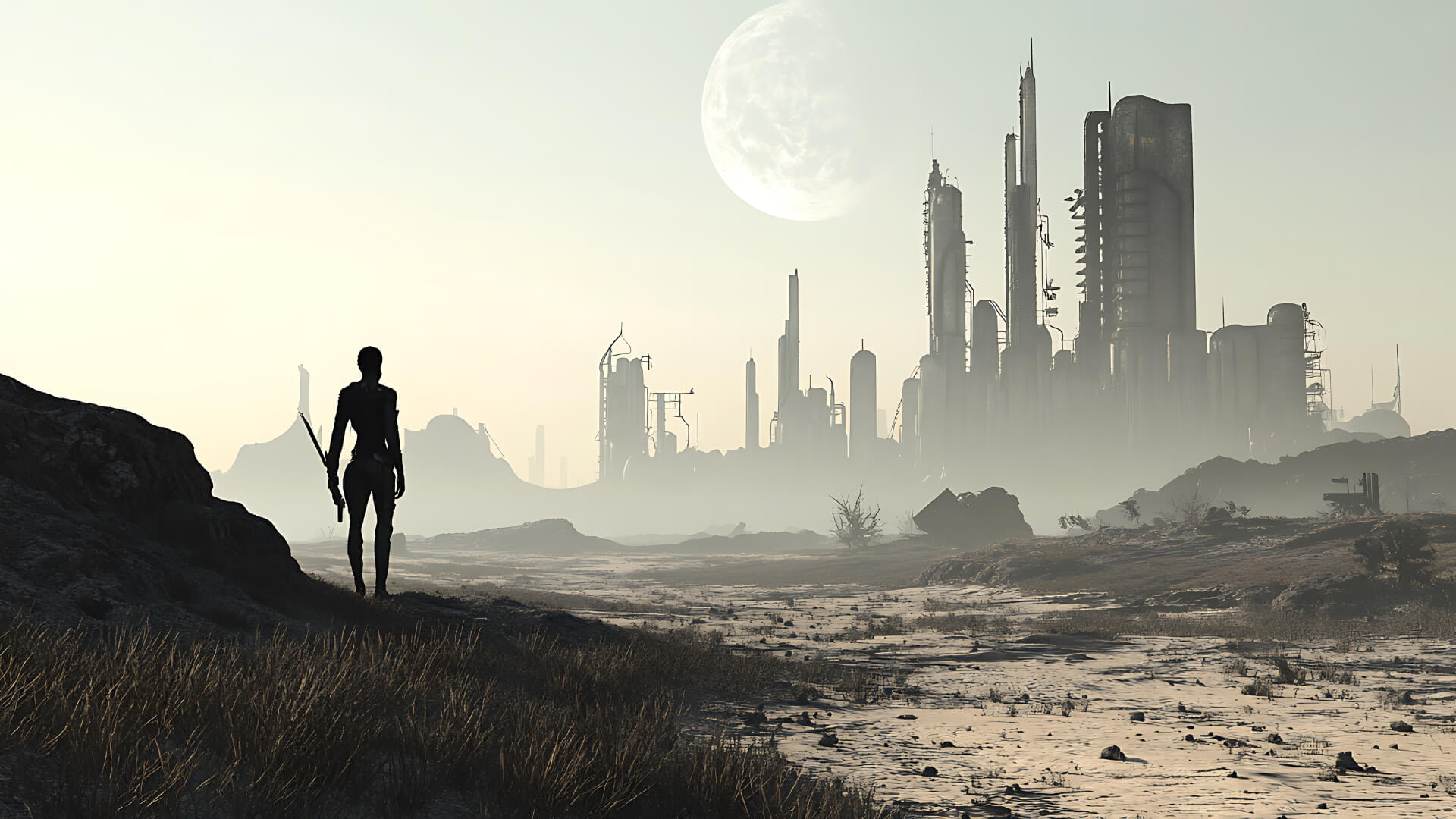
Musicals, superhero films, and fantasy worlds offer relief and reassurance, while dark humor and satire thrive as tools for exposing inequality and systemic absurdity. Audiences often seek critique and comfort simultaneously, moving between realism and fantasy as coping strategies.
Ultimately, art changes in unsettled times because meaning itself becomes compressed. Speed replaces refinement, symbolism replaces explanation, and collective movements eclipse individual genius. Artists stop asking whether something is beautiful and instead ask whether it is honest. In this way, art does not merely document instability—it becomes a way of living inside it, helping societies navigate uncertainty through expression, resistance, and imagination.