From Dada to drill, how war, recession, repression and pandemic have reshaped what we wear, hear and watch, and why art grows more honest when the world grows uncertain.
Periods of social, political and economic instability consistently reshape how art is made, experienced and understood. In moments marked by war, repression, pandemics, economic collapse or rapid technological change, art rarely remains polished or detached. Instead, it responds with urgency.
Across disciplines, the same traits emerge again and again. These patterns are not incidental. They reflect how artists and audiences process uncertainty, fear and transformation as familiar structures begin to fracture.
01
Fragmentation
02
Urgency
03
Symbolism
04
Extremes
05
Rebellion
01 · Fragmentation
Forms distort, narratives become nonlinear, and coherence gives way to disruption, mirroring lives in which meaning feels partial or unstable. In 1916, in the middle of the First World War, artists in Zürich founded Dada, an “anti-art” movement that rejected logic, reason and good taste, which its members blamed for leading Europe into war. From the Cabaret Voltaire, a small nightclub, they answered a world gone mad with collage, nonsense poetry, chaotic performances and deliberate absurdity.
02 · Urgency
Art moves faster and becomes less refined, putting emotional truth ahead of technical perfection. Lo-fi aesthetics, rough edges and rapid production, from the photocopied zines and DIY records of the late 1970s to today’s phone-shot videos, signal honesty rather than polish.
03 · Symbolism
When direct speech is restricted or unsafe, symbolism and allegory rise. Meaning is embedded rather than declared, allowing art to say what cannot be said openly.
04 · Extremes and 05 · Rebellion
Unrest tends towards extremes, stark minimalism or overwhelming excess, as artists reject moderation in favour of clarity, confrontation or refusal. Beneath it all lies rebellion: a rejection of inherited aesthetics, institutional authority and cultural complacency.
Symbolism in Practice · Iran, 2011
Banned from making films, Iranian director Jafar Panahi made This Is Not a Film, a quiet portrait of his life under house arrest. It was smuggled out of Iran on a USB stick, reportedly hidden inside a cake, and screened at the Cannes Film Festival. When speech is forbidden, art finds another way through.
Chapter I · Fashion
Survival, Resistance, Belonging
Fashion offers one of the clearest examples of art responding to instability, because it sits at the meeting point of resources, bodies and identity. In times of crisis, clothing becomes practical and constrained.
Wartime rationing produced simplified silhouettes, durable materials and standardised garments, putting function ahead of ornament and reinforcing collective restraint. And when restraint lifted, fashion swung to the opposite extreme.
At the same time, fashion has long been a site of resistance. Punk turned torn clothing, safety pins and DIY construction into visual rebellion, making “dressing badly” a political act. Deconstructive designers exposed seams, linings and imperfections, making process and incompleteness visible as reflections of psychological fracture and cultural rupture. Others turned the runway into political theatre, staging trauma, myth and critique. More recently, pandemic-era fashion embraced masks, loungewear and hybrid digital and physical identities, as the line between public and private life blurred.
CASE FILE · FASHION
1920s
Liberation
After the devastation of the First World War, hemlines rise and corsets fall away. Looser, shorter silhouettes signal a new sense of freedom for many women, who had taken on new roles during the war.
1937
Escape
In the shadow of the Great Depression and rising fascism, Elsa Schiaparelli collaborates with Salvador Dalí on her famous lobster dress, bringing surrealist wit and fantasy to fashion when reality felt bleak.
1941
Restraint
Britain’s Utility Clothing Scheme sets strict limits on fabric, buttons, pleats and trimmings. Clothes carry the “CC41” label, and simplicity becomes a patriotic duty.
1942
Creativity within limits
Leading London designers, including Norman Hartnell and Hardy Amies, are invited to create Utility designs, proving that style could survive even under rationing.
1940–44
Defiance
Under German occupation, many Parisian women wear ever more extravagant hats, made from scraps, paper and whatever could be found, a quiet, stylish act of defiance when fabric was scarce.
1947
Excess as release
After years of austerity, Christian Dior’s “New Look” answers with cinched waists and full skirts using lavish yards of fabric. It thrills many and outrages others, who see it as wasteful while rationing continues.
1966
A uniform of resistance
The Black Panther Party, founded in Oakland, adopts black berets, leather jackets and dark sunglasses, turning clothing into a powerful, instantly recognisable statement of Black pride and self-determination.
1970s
Rebellion
Amid recession, strikes and youth unemployment, Vivienne Westwood and Malcolm McLaren’s King’s Road shop helps define punk: ripped fabric, safety pins, bondage straps and slogans designed to provoke.
1981
A new language
Rei Kawakubo of Comme des Garçons and Yohji Yamamoto show in Paris: black, frayed, asymmetric clothes that some critics dismiss as “Hiroshima chic”. They go on to reshape modern fashion.
1988
Deconstruction
Martin Margiela’s debut collection exposes seams, linings and the inner workings of garments, making imperfection and process part of the design.
1995
Political theatre
Alexander McQueen’s Highland Rape collection confronts the brutal history of Scotland’s Highland Clearances. Widely misunderstood at first, it is now seen as a landmark of the runway as political statement.
2020
A new normal
The pandemic makes masks, loungewear and digital identity part of everyday dress, as home becomes office, classroom and runway all at once.
In moments of instability, clothing shifts from being about beauty to becoming a tool for survival, resistance and belonging.
Chapter II · Music
Louder, Simpler, More Honest
Music responds just as forcefully, often because of its accessibility and speed. Under pressure, sound becomes a release valve.
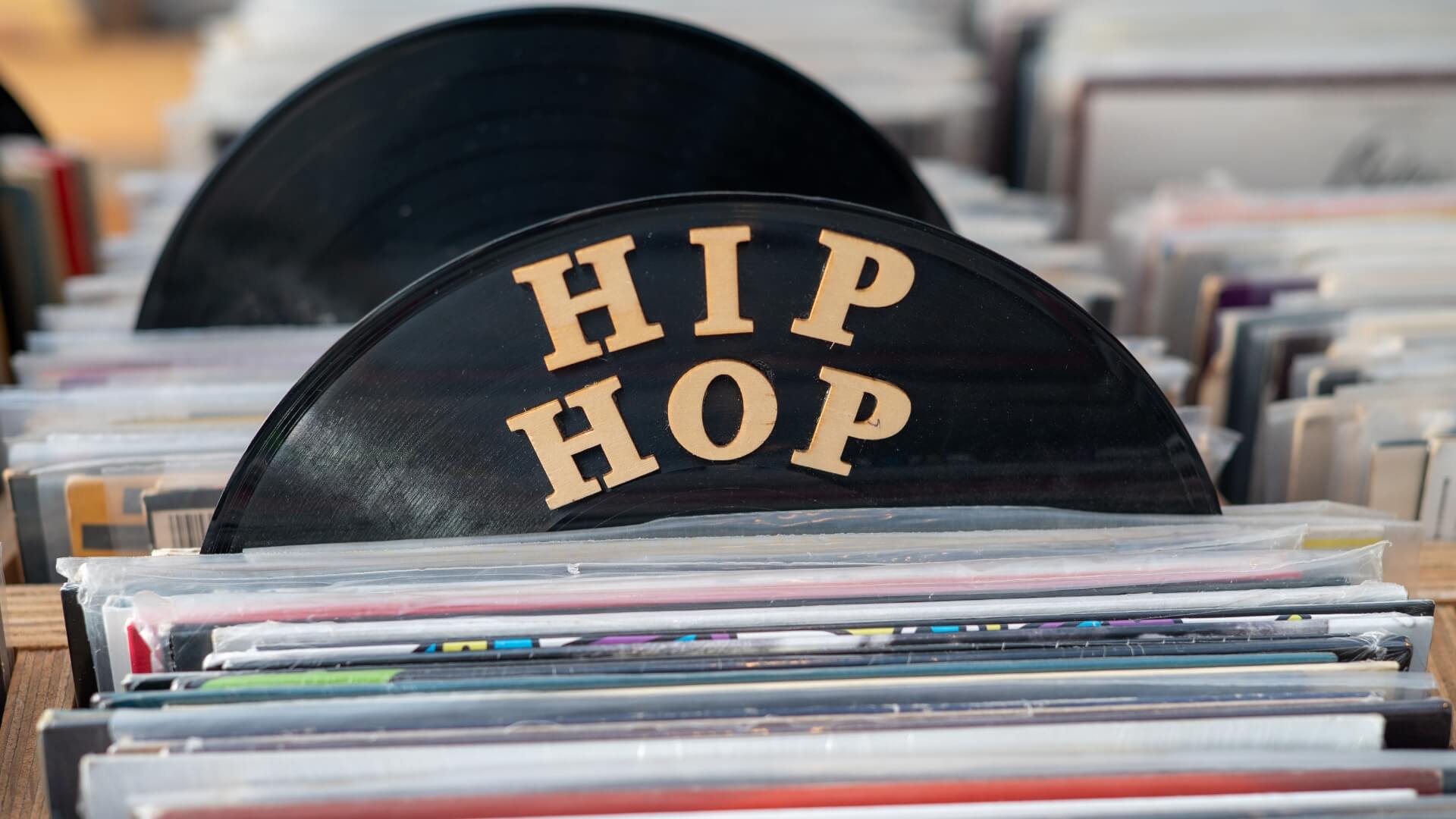
Punk and noise rejected refinement in favour of speed, distortion and aggression, channelling collective anger into volume and attitude. Hip hop emerged from systemic neglect and inequality, turning lived experience into testimony when institutions failed to reflect reality. Industrial and electronic music absorbed anxieties about mechanisation, surveillance and control through repetition and machine-like textures. Grunge and alternative rock captured post-Cold War disillusionment, swapping idealism for scepticism and emotional rawness.
CASE FILE · MUSIC
1940
Testimony
After the Great Depression and the Dust Bowl drove thousands of families from their farms, Woody Guthrie releases Dust Bowl Ballads, turning the stories of displaced migrant workers into folk songs that gave a voice to the forgotten.
1964
Hope
At the height of the civil rights movement, Sam Cooke’s “A Change Is Gonna Come” becomes an anthem of struggle and faith, while freedom songs sustain marchers in the face of violence.
1969
Distortion
At Woodstock, during the Vietnam War, Jimi Hendrix plays “The Star-Spangled Banner” on electric guitar, bending it with feedback into sounds of bombs and sirens: a national anthem turned into protest.
1973
Making something from nothing
In the Bronx, a borough scarred by neglect, poverty and urban decline, DJ Kool Herc hosts a back-to-school party that is widely seen as the birth of hip hop. With two turntables, young people build a whole culture of music, dance, art and fashion.
1976
The sound of machines
Throbbing Gristle launch Industrial Records in London, giving a name to industrial music: harsh, mechanical sound that reflected anxieties about control, surveillance and a dehumanising modern world.
1977
Rebellion
Amid economic crisis, strikes and youth unemployment, the Sex Pistols release “God Save the Queen” in the year of Queen Elizabeth II’s Silver Jubilee. Banned by the BBC, it still climbs the charts, a defining moment of punk.
1978
Peace
In Kingston, during violent political conflict in Jamaica, Bob Marley headlines the One Love Peace Concert and brings rival political leaders Michael Manley and Edward Seaga onstage to join hands.
1980s
Imagining the future
In Detroit, a city hollowed out by the collapse of its car industry, Juan Atkins, Derrick May and Kevin Saunderson, known as the “Belleville Three”, pioneer techno, turning machine rhythms into a vision of the future.
1984
Solidarity
The Special AKA release “Free Nelson Mandela”, helping turn the campaign against apartheid in South Africa into a global cause, sung at concerts and protests around the world.
1988–94
Collective escape
Britain’s “Second Summer of Love” brings acid house and rave culture to fields and warehouses. The scene grows so large that the 1994 Criminal Justice and Public Order Act targets outdoor gatherings playing music with “repetitive beats”.
1991
Disillusionment
After the Cold War, Nirvana’s Nevermind takes Seattle grunge worldwide, giving voice to a generation’s alienation with raw, distorted sound.
2010s
Raw testimony
Drill emerges in Chicago and takes root in London, documenting life in communities facing violence, poverty and exclusion. Often controversial, and at times targeted by police and censors, it is always testimony.
Across eras, protest music, from folk to rap and drill, has served as a living archive of dissent. When society fractures, music tends to grow louder, simpler, angrier or more brutally honest, offering both catharsis and solidarity.
Chapter III · Film, Television and Entertainment
Confrontation and Escape
Film, television and entertainment often swing between confrontation and escape in unstable times. Some works lean into distortion and shadow, using visual style to externalise psychological trauma. Others explore moral ambiguity, reflecting eroded trust in institutions and blurred ethical lines.
Confrontation
After the First World War, German Expressionist films such as The Cabinet of Dr Caligari (1920) twisted sets and shadows into nightmares.
In the 1940s, film noir captured post-war unease and moral ambiguity.
Today, satire such as Bong Joon-ho’s Parasite (2019) exposes inequality with dark humour.
Escape
During the Great Depression of the 1930s, lavish Hollywood musicals offered audiences a few hours of glamour and relief.
Fantasy worlds and superhero sagas promise order, heroism and happy endings when reality feels overwhelming.
Comfort viewing surges whenever the news grows heavy.
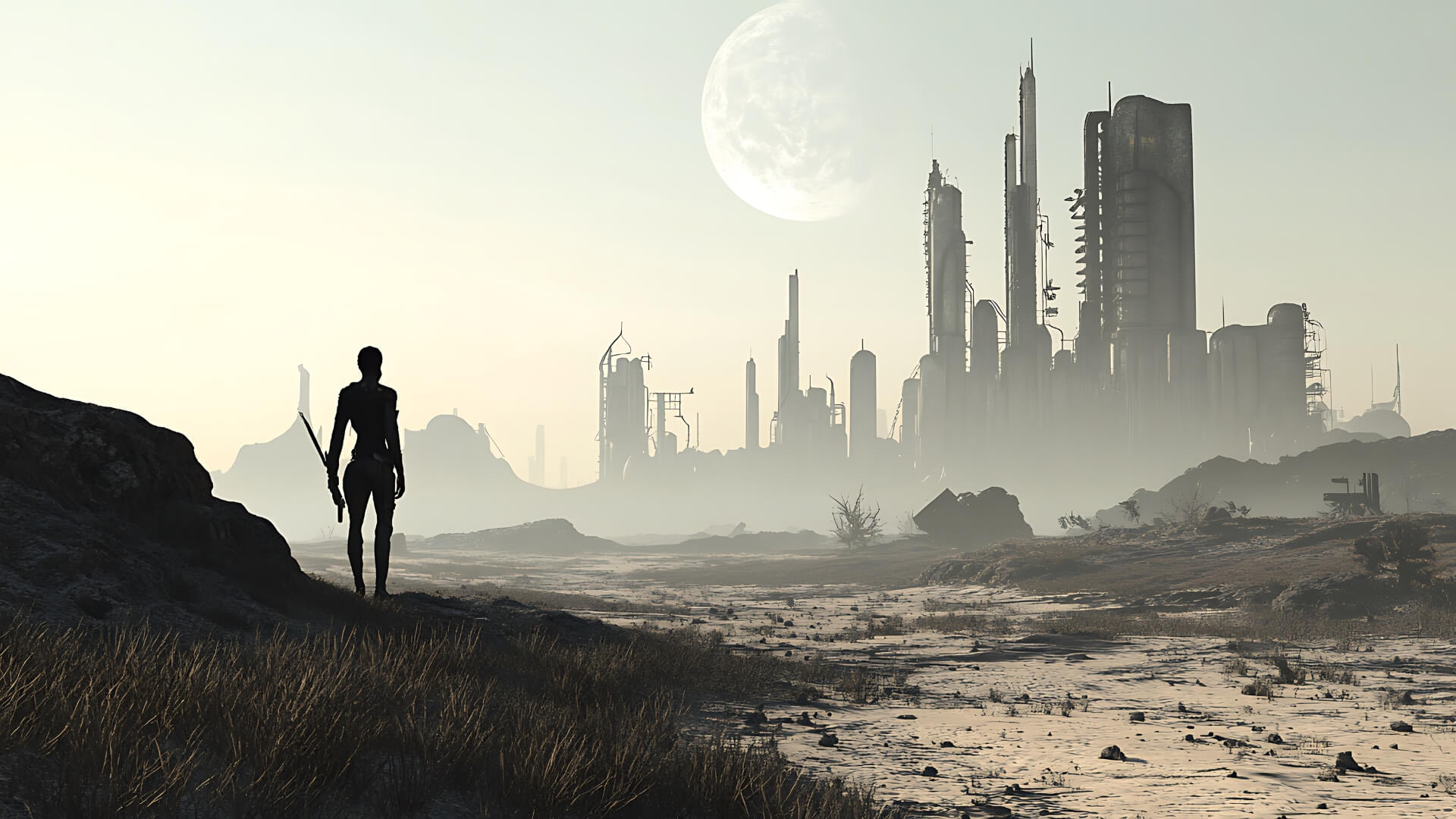
Dystopian and apocalyptic stories project present anxieties into imagined futures, while survival stories examine loss, resilience and social breakdown. Audiences often seek critique and comfort at the same time, moving between realism and fantasy as ways of coping.
What It Means
Beautiful, or Honest?
Across fashion, music and film, the same shift happens when the ground moves beneath us. Meaning becomes compressed. Speed replaces refinement, symbolism replaces explanation, and collective movements eclipse individual genius.
In Stable Times
Is it beautiful?
<
<
<
<
<
<
<
<
<
<
<
<
<
<
<
<
<
<
<
<
<
<
<
<
<
<
<
<
<
<
<
<
<
<
<
<
<
<
<
<
<
<
<
<
<
<
<
<
<
<
<
<
<
<
<
<
<
<
<
<
<
<
<
<
<
<
<
<
<
<
<
<
<
<
<
<
<
<
<
<
<
<
<
<
<
<
<
<
<
<
<
<
<
<
<
<
<
<
<
<
Scroll to Top
SUBSCRIBE TO THE BLACK PEARL NEWSLETTER AND UNLOCK A WORLD OF UPDATES, DELIVERED DIRECTLY TO YOUR INBOX*:
Fill in the form below
Fill in the form below
cheking #2
Lorem Ipsum is simply dummy text of the printing and typesetting industry. Lorem Ipsum has been the industry’s standard dummy text ever since the 1500s, when an unknown printer took a galley of type and scrambled it to make a type specimen book.
Lorem Ipsum is simply dummy text of the printing and typesetting industry. Lorem Ipsum has been the industry’s standard dummy text ever since the 1500s, when an unknown printer took a galley of type and scrambled it to make a type specimen book.
Lorem Ipsum is simply dummy text of the printing and typesetting industry. Lorem Ipsum has been the industry’s standard dummy text ever since the 1500s, when an unknown printer took a galley of type and scrambled it to make a type specimen book.
cheking
Lorem Ipsum is simply dummy text of the printing and typesetting industry. Lorem Ipsum has been the industry’s standard dummy text ever since the 1500s, when an unknown printer took a galley of type and scrambled it to make a type specimen book.
Lorem Ipsum is simply dummy text of the printing and typesetting industry. Lorem Ipsum has been the industry’s standard dummy text ever since the 1500s, when an unknown printer took a galley of type and scrambled it to make a type specimen book.
Lorem Ipsum is simply dummy text of the printing and typesetting industry. Lorem Ipsum has been the industry’s standard dummy text ever since the 1500s, when an unknown printer took a galley of type and scrambled it to make a type specimen book.
Francis Mendy
Lorem ipsum dolor sit amet, consectetur adipiscing elit. Ut elit tellus, luctus nec ullamcorper mattis, pulvinar dapibus leo.
Lorem ipsum dolor sit amet, consectetur adipiscing elit. Ut elit tellus, luctus nec ullamcorper mattis, pulvinar dapibus leo.
Lorem ipsum dolor sit amet, consectetur adipiscing elit. Ut elit tellus, luctus nec ullamcorper mattis, pulvinar dapibus leo.
Chizoba
Lorem ipsum dolor sit amet, consectetur adipiscing elit. Ut elit tellus, luctus nec ullamcorper mattis, pulvinar dapibus leo.
Lorem ipsum dolor sit amet, consectetur adipiscing elit. Ut elit tellus, luctus nec ullamcorper mattis, pulvinar dapibus leo.
Lorem ipsum dolor sit amet, consectetur adipiscing elit. Ut elit tellus, luctus nec ullamcorper mattis, pulvinar dapibus leo.